The Power of Photos in Memory Care
I still remember the way my dad would sit at his computer, carefully organizing family photos early in his Alzheimer’s journey. He’d scroll through birthdays, vacations, fishing trips, and ordinary family moments that suddenly became much more important.
Sometimes he would stop on a single photo for several minutes, smiling quietly as if he had stepped back into that moment for just a little while.
My brother even created a simple website where we could upload and share family pictures together. It gave all of us a place to revisit memories with him.
As the disease progressed, remembering names and events became more difficult. Some days the memories came easily. Other days they didn’t. But the photos and videos still helped him focus on what we were talking about. They gave him something familiar to hold onto and often opened the door to conversation, laughter, and connection.
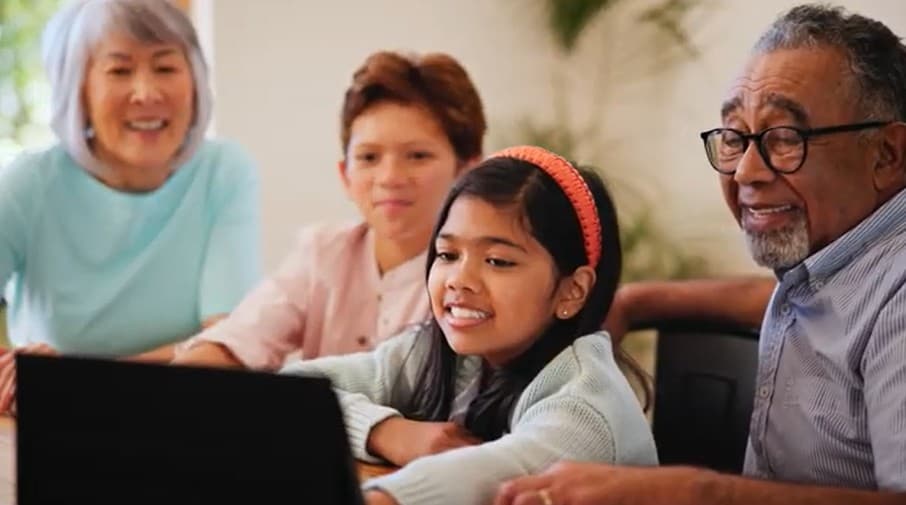
Photos are more than just snapshots; they’re powerful tools for memory and connection.
Have you ever noticed how a single picture can instantly bring you back to a moment in your life? For someone experiencing Alzheimer’s or dementia, that same thing can happen. A familiar face, an old home, or a favorite vacation photo can spark recognition and help reconnect them to their personal story.
Research on reminiscence therapy — using familiar photos, music, and stories — shows it can improve mood, reduce anxiety, encourage conversation, and help people feel more grounded and connected.
In our experience, the value wasn’t just in remembering facts. It was in creating meaningful moments together.
Why Photos Help in Memory Care
Photos Trigger Recognition
Even when recent memories become difficult, older memories are often still accessible. A familiar photograph can help bring those memories forward.
Photos Encourage Conversation
Looking through old family pictures together naturally creates opportunities for storytelling, laughter, and emotional connection.
Photos Can Reduce Anxiety
Familiar faces and places can provide comfort and stability for someone experiencing memory loss.
Photos Strengthen Family Connections
Sometimes it can feel difficult to know how to interact with a loved one experiencing Alzheimer’s or dementia. Photos create a shared activity that feels natural and meaningful.
Simple Ways to Use Photos with a Loved One
Create a Memory Album
Gather photos from different stages of life and organize them into a simple album with names, locations, and dates.
Use Digital Slideshows
A tablet, television, or computer slideshow can continuously display meaningful family moments throughout the day.
Add Audio or Video
Hearing familiar voices alongside photos can make the experience even more engaging and personal.
Focus on Positive Moments
Choose photos connected to happy memories, favorite hobbies, family gatherings, pets, vacations, or celebrations.
Bringing It All Together with Memory Bright
Sometimes memory care is not about trying to bring everything back. It’s about creating moments of comfort, familiarity, and joy right now.
That’s why we created Memory Bright.
Memory Bright helps families build personalized digital memory albums using photos, audio, video, and interactive activities designed specifically for individuals experiencing memory loss.
With features like Story Mode, Explore Mode, and simple interactive games, Memory Bright gives caregivers meaningful ways to connect and engage with their loved ones.
If you are looking for a simple and hopeful way to support a family member experiencing Alzheimer’s or dementia, we invite you to try Memory Bright.
Small moments of connection matter. Sometimes, they begin with a single photograph.
Research References
Research continues to support the value of photos and reminiscence therapy for individuals experiencing Alzheimer’s and dementia.
-
A 2018 systematic review published through the National Library of Medicine found that reminiscence therapy can improve cognition, communication, mood, and quality of life for some individuals experiencing dementia.
Source: PubMed - A Systematic Review of Reminiscence Therapy for Older Adults with Dementia -
A 2024 research review noted that reminiscence therapy using old photos and videos can improve emotional well-being and stimulate long-term memory.
Source: NIH - Promoting Personalized Reminiscence Among Cognitively Impaired Older Adults -
A 2023 systematic review found that photo-based activities can positively affect mood, social interaction, and quality of life for people living with dementia.
Source: NIH - The Effects of Psychosocial Interventions Using Photos for Dementia -
Research on personalized photo videos found that reminiscence interventions may help increase self-esteem and reduce behavioral disturbances in individuals with dementia.
Source: Taylor & Francis - Effectiveness of Personalised Reminiscence Photo Videos -
The Cochrane Review on reminiscence therapy concluded that reminiscence approaches may improve quality of life, cognition, communication, and mood in dementia care settings.
Source: Cochrane Review - Reminiscence Therapy for Dementia