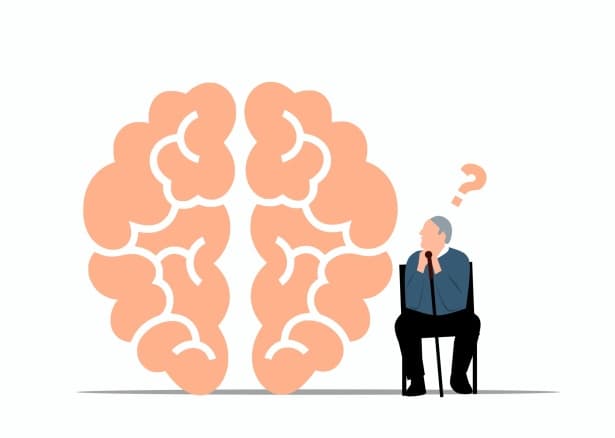
If you've recently heard a doctor use the terms "dementia" or "Alzheimer's disease," you might be confused about what they mean—or worried about what comes next. These terms are often used interchangeably in conversation, but they don't mean exactly the same thing. Understanding the distinction can help you make sense of a diagnosis, know what to expect, and find the right support and care strategies for your loved one.
What Is Dementia?
Dementia is an umbrella term that describes a range of symptoms affecting memory, thinking, and behavior. It's not a single disease—it's a general category of cognitive decline caused by damage to brain cells. This damage can stem from various underlying conditions, each of which affects the brain differently.
Think of dementia like "fever"—it's a symptom that can have many different causes. Someone with a fever might have the flu, a cold, or an infection. Similarly, someone with dementia has a collection of symptoms, but those symptoms can result from different brain conditions.
Common symptoms of dementia include:
- Memory loss, especially difficulty remembering recent events
- Difficulty concentrating or following conversations
- Problems with language—finding words or understanding others
- Confusion about time, place, or people
- Changes in mood, personality, or behavior
- Difficulty with familiar tasks like cooking or paying bills
Dementia is progressive, meaning symptoms typically worsen over time as more brain cells are damaged. The rate of progression varies greatly depending on the underlying cause and the individual.
What Is Alzheimer's Disease?
Alzheimer's disease is a specific brain condition—and the most common cause of dementia. It accounts for 60–80% of all dementia cases. If dementia is the umbrella, Alzheimer's is one of the conditions underneath it.
In Alzheimer's disease, two abnormal proteins—amyloid plaques and tau tangles—accumulate in the brain over time. These proteins damage and kill brain cells, leading to the cognitive decline we recognize as dementia symptoms. Unlike some forms of dementia that develop suddenly, Alzheimer's typically develops slowly over many years.
Alzheimer's disease is progressive and irreversible. There is currently no cure, though medications can help slow cognitive decline in early stages for some people.
Alzheimer's tends to affect:
- Memory first (difficulty remembering recent conversations or events)
- Language and communication abilities
- The ability to perform daily tasks
- Later, physical abilities like walking and swallowing
Other Types of Dementia
While Alzheimer's is the most common cause of dementia, it's not the only one. Understanding that dementia is an umbrella can help you recognize that your loved one's specific diagnosis will shape their care needs and progression.
Vascular Dementia: Caused by reduced blood flow to the brain, often after a stroke. Symptoms can appear suddenly and may progress in "steps" rather than gradually.
Lewy Body Dementia: Caused by abnormal protein deposits called Lewy bodies in brain cells. Symptoms include visual hallucinations, movement problems, and dramatic mood swings.
Frontotemporal Dementia: Affects the front and sides of the brain, often causing personality changes and behavioral problems before memory loss occurs.
Mixed Dementia: Some people have more than one type of dementia occurring simultaneously (for example, both Alzheimer's and vascular dementia).
Each type presents differently and may require different care approaches. This is why an accurate diagnosis matters—it helps you and your healthcare team prepare for what's likely ahead.
Why the Distinction Matters for Your Loved One's Care
Learning whether your loved one has dementia caused by Alzheimer's, vascular dementia, or another condition affects:
- Medical treatment options: Some medications are specific to Alzheimer's disease. Others may help with different types of dementia.
- Symptom management: Understanding the specific diagnosis helps you anticipate which behavioral or cognitive changes are most likely.
- Progression timeline: Each type of dementia progresses at different rates and affects abilities in a different sequence.
- Care strategies: While some approaches help all people with dementia, others are tailored to specific diagnoses.
- Support resources: Organizations focused on specific types of dementia can provide targeted education and support.
What a Diagnosis Means—And What It Doesn't
A diagnosis of dementia or Alzheimer's disease is serious, but it's important to understand what it actually means:
What it means: Your loved one is experiencing cognitive changes caused by brain cell damage. These changes will likely progress over time and require ongoing support and care.
What it doesn't mean:
- It's not a death sentence. Many people live well with dementia for years, particularly in early stages.
- Your loved one's personality and core identity don't disappear overnight. They remain the person you know, even as their abilities change.
- Treatment options and support strategies exist that can improve quality of life and ease the burden on caregivers.
- A diagnosis opens doors to resources, support groups, and care options you may not have known about.
Moving Forward: What to Do After a Diagnosis
Receiving a dementia or Alzheimer's diagnosis can feel overwhelming, but there are concrete steps you can take:
- Understand the specific diagnosis: Ask the doctor to explain which type of dementia your loved one has, what to expect, and what medications or treatments are recommended.
- Seek a second opinion if you're uncertain: Accurate diagnosis matters. If you have doubts, consulting another neurologist or geriatrician can provide clarity.
- Connect with resources: Organizations like the Alzheimer's Association provide education, support groups, and practical guidance tailored to specific diagnoses.
- Plan ahead: Early diagnosis is an opportunity to discuss care preferences, powers of attorney, and advance directives while your loved one can still participate in these conversations.
- Build your support system: Whether it's family, friends, professional caregivers, or support groups, caring for someone with dementia requires a team.
- Explore therapeutic approaches: Reminiscence therapy, structured routines, and engaging activities have been shown to improve quality of life and reduce behavioral challenges for people with all types of dementia.
A Note of Hope
Learning the difference between dementia and Alzheimer's disease isn't just about medical terminology—it's about understanding what your loved one is experiencing and knowing that you're not alone in this journey. Thousands of families navigate dementia care every day, and countless resources, strategies, and communities exist to support you.
A diagnosis is a starting point, not an ending. With the right information, support, and care strategies, you can help your loved one maintain dignity, connection, and quality of life through every stage.
Sources
-
Alzheimer's Association — Dementia vs. Alzheimer's Disease: What Is the Difference?
-
Mayo Clinic — Alzheimer's and dementia: What's the difference?
-
Alzheimer Society Canada — The difference between Alzheimer's disease and other dementias
-
National Institute on Aging (NIH) — Understanding Different Types of Dementia